
Residential
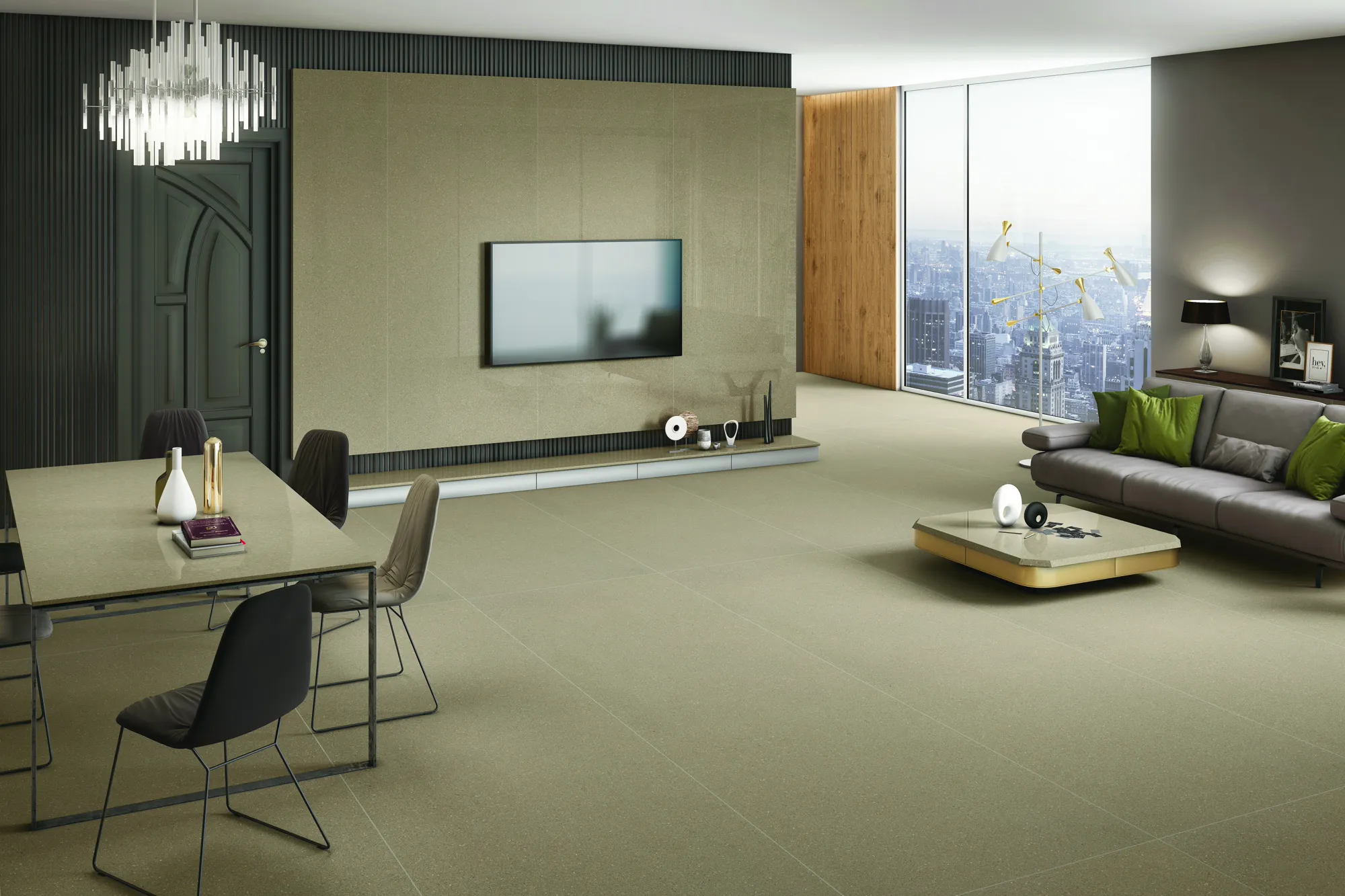
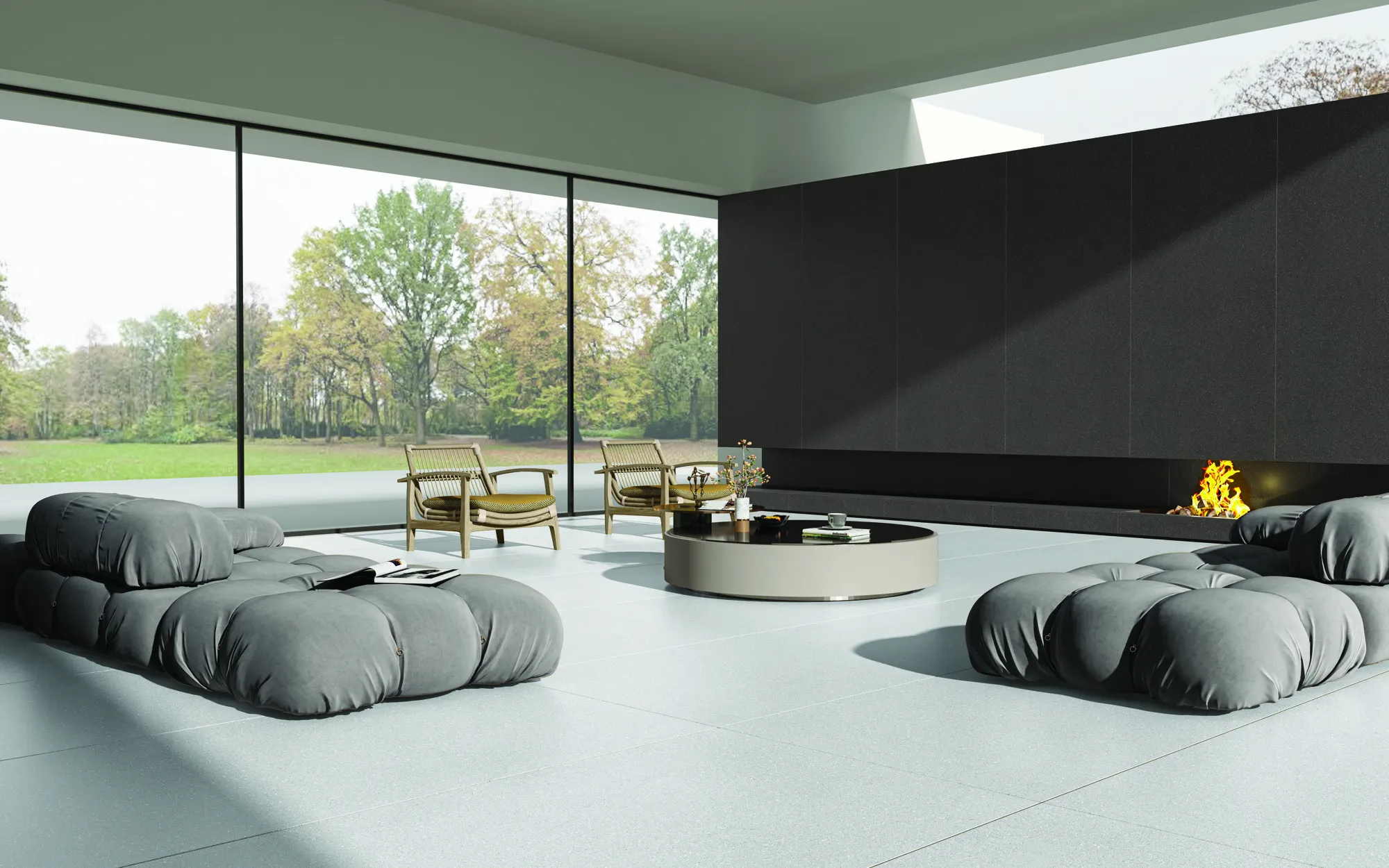
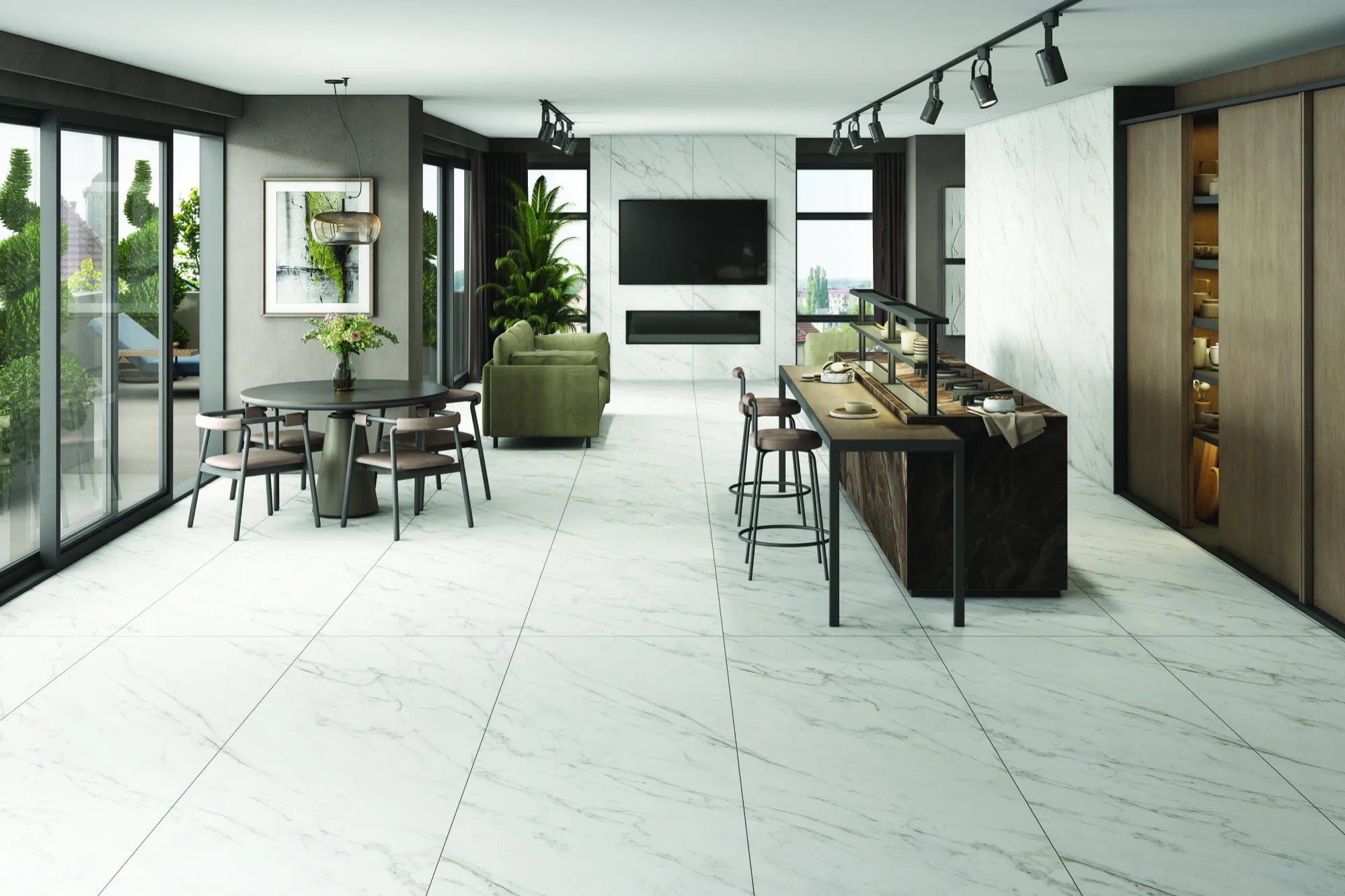
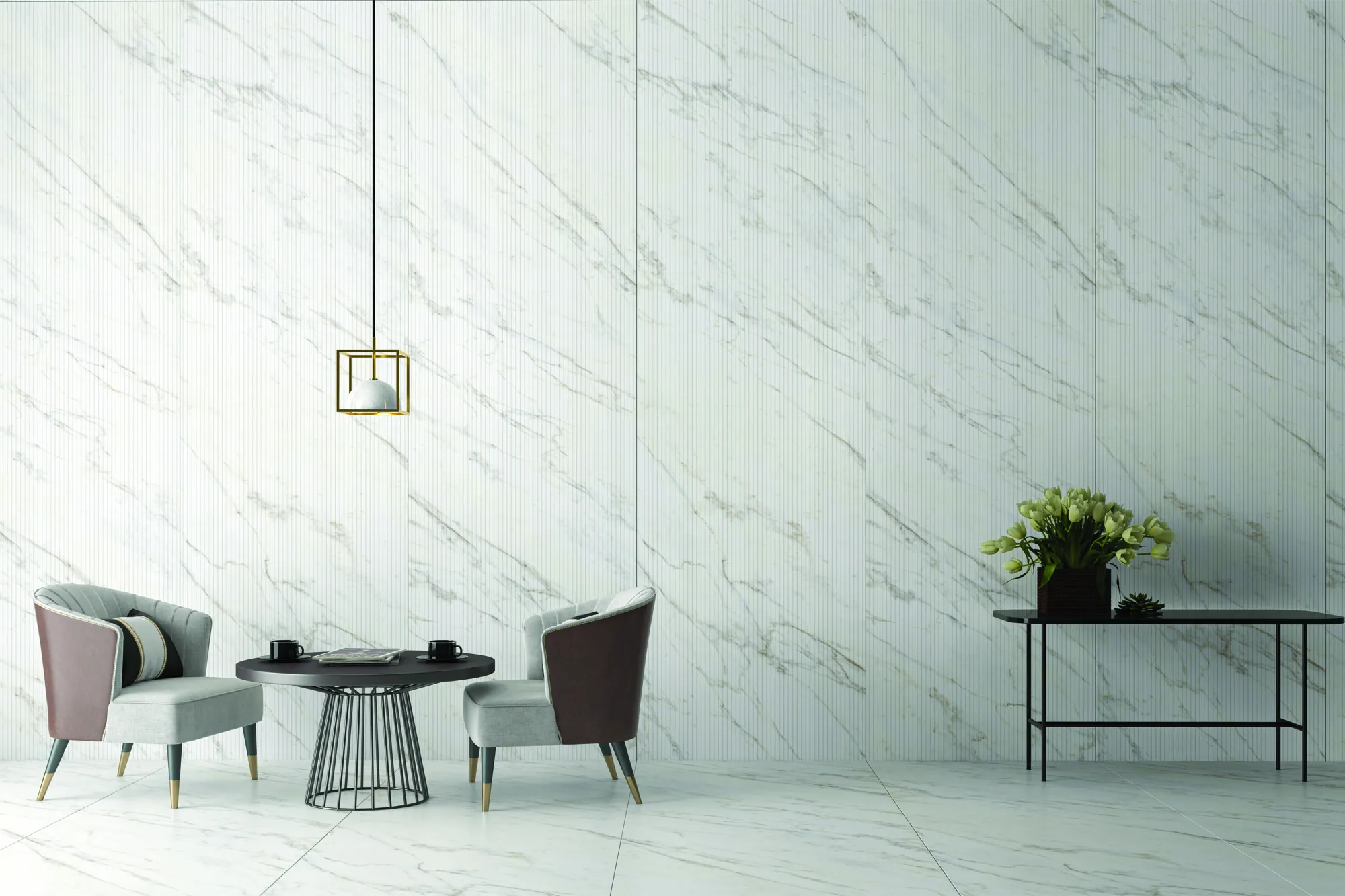
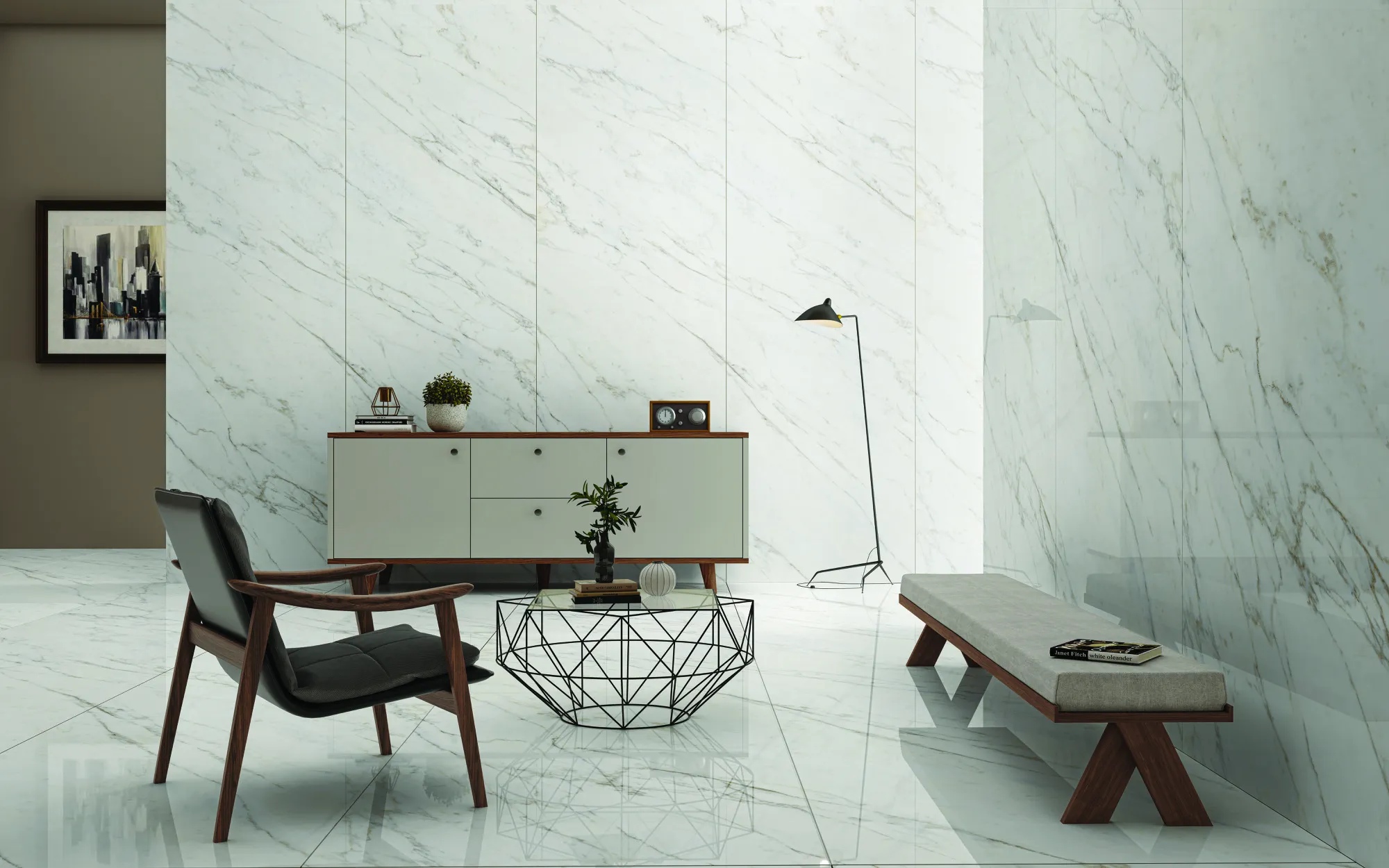
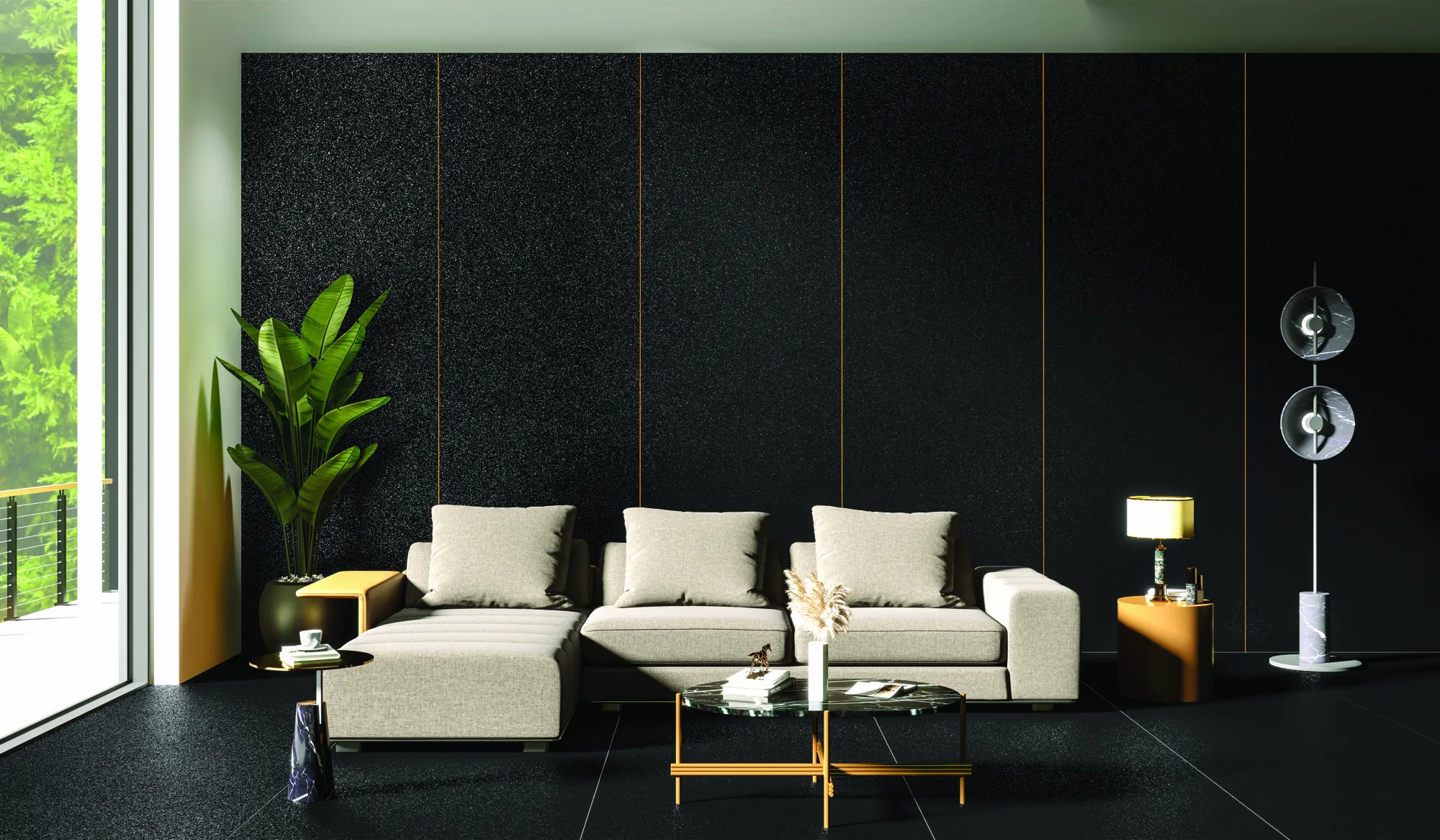
Clean lines and neutral tones for a serene and uncluttered living environment.
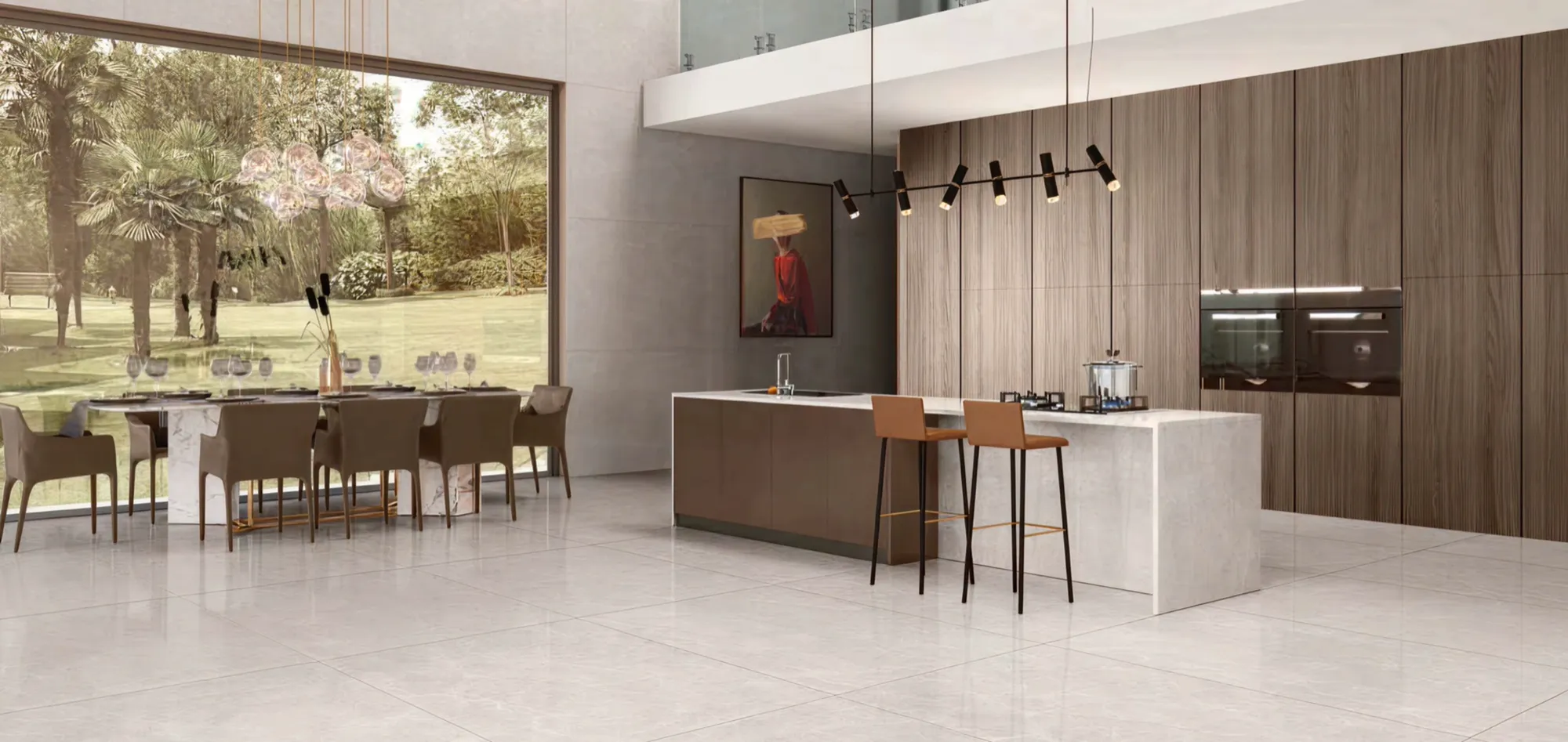
Solutions thoughtfully developed to meet the needs of different environments, balancing performance, durability, and design across every setting.

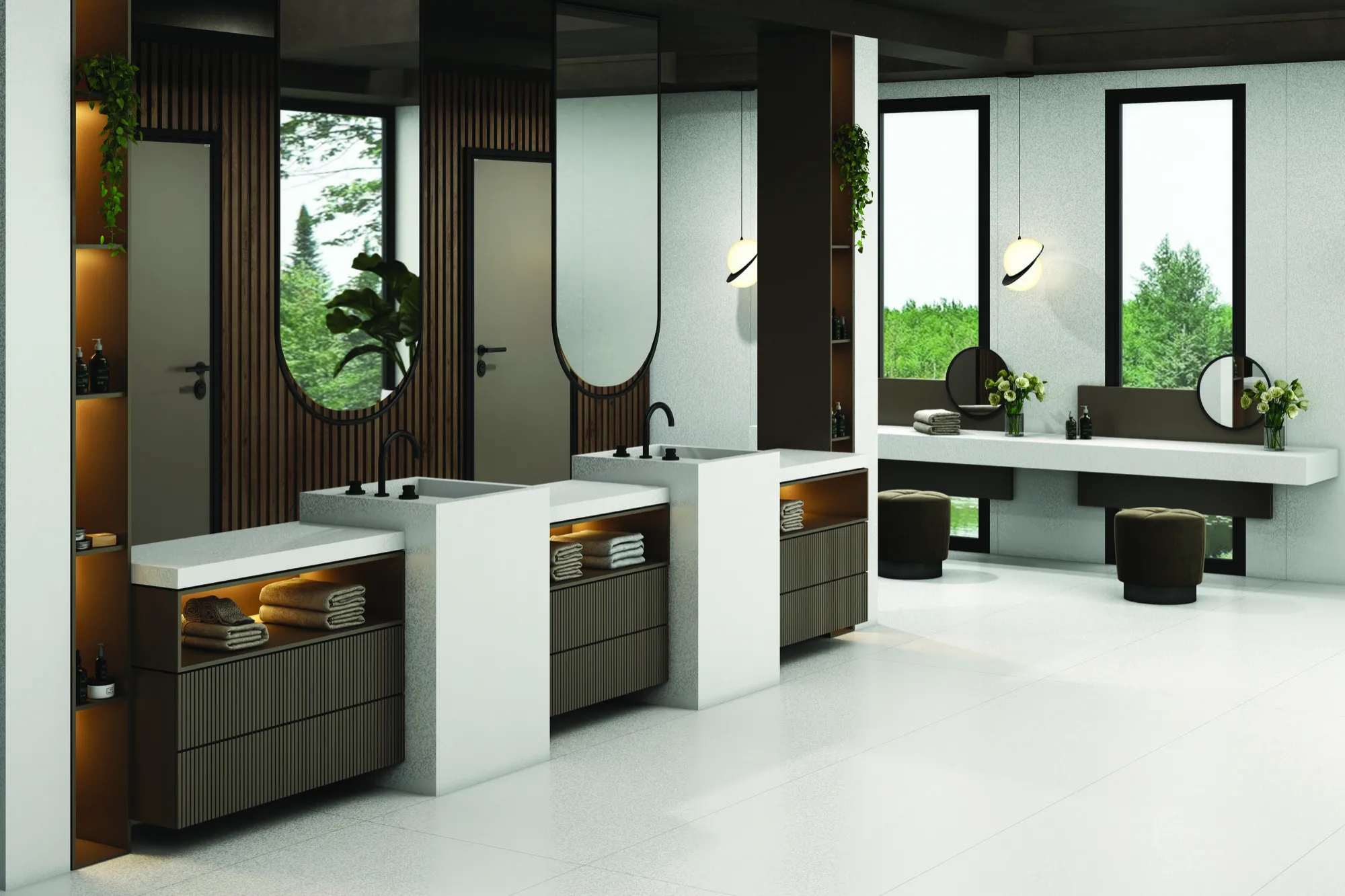
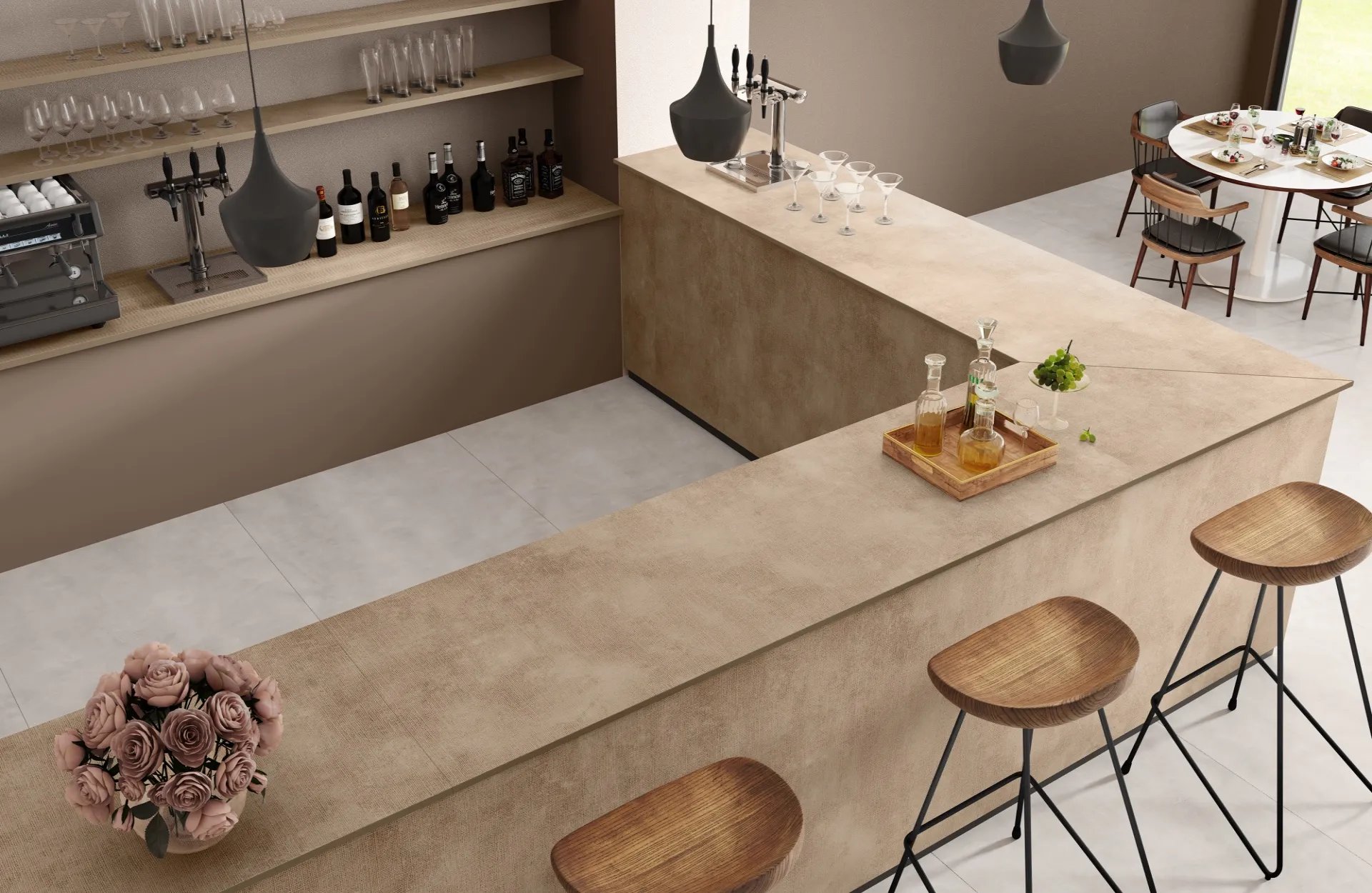

Yes it is possible to install tile on tile, however one needs to keep in mind that the floor height will increase and that may call for readjustment of doors etc.
Improper adhesion, can cause tile to pop out pop out, break, or bend, creating unevenness in the floor.
Floor tile prices vary by material (ceramic vs vitrified), size and finish. Shortlist Somany floor tile designs online, then confirm current pricing with an authorised dealer or Experience Centre for your city — rates differ by range and location, so we do not publish a single nationwide MRP here.
Matt or anti-skid vitrified tiles are the best kitchen floor tiles because they resist stains from oil and spices, handle heavy foot traffic and stay safer when wet. Somany's kitchen floor options include Slip Shield tiles, and mid-tone colours hide everyday spills better than pure white or black. Avoid high-gloss tiles on kitchen floors, because water and oil make them slippery. Larger tiles reduce the grout lines that trap dirt, and epoxy grout keeps joints easy to clean. Confirm a decorative wall design is approved for floors before using it underfoot.
Somany provides detailed instructions for transportation, handling, laying, cutting, edge profiling, grouting, and cleaning of large-size slabs. Full guide available here: Laying Instructions Key guidelines include: Handling & Transporting: Carry slabs vertically with support; avoid dragging edges or corners. On-Site Handling: Use at least two trained operators with PPE and suction tools. Cutting & Drilling: Use diamond blades; drill corner holes before cutting squares/rectangles. Edge Profiling: Bevel/half-bullnose only by skilled professionals. Substrate Preparation: Ensure flat, dry, dust-free, and structurally sound surface. Adhesive Application: Apply Somany EZY FIX adhesive on both slab and substrate with notched trowel. Joints & Levelling: Maintain minimum 3mm joint gaps and use levelling system. Grouting: Start 48 hours after laying; use Somany EZY FIX grout (cement or epoxy). Final Cleaning: After 2–3 days, use mild acid-based cleaner (avoid hydrofluoric acid). Video resources: VC Shield — Durability Protection Slip Shield — Anti-Slip Tiles Temp Shield — Heat Protection Result: Proper slab laying ensures long-lasting, durable, and aesthetically pleasing finishes backed by Somany technologies.
The PEI rating measures how well a glazed tile's surface resists abrasion, on a scale from PEI I to PEI V. PEI I and II suit walls and light-traffic rooms, PEI III suits most homes, and PEI IV and V suit commercial floors. Somany's VC Shield tiles exceed PEI V with up to 50,000 abrasion revolutions. The rating comes from the Porcelain Enamel Institute test, where a glazed surface is rubbed with an abrasive load for a set number of revolutions until wear becomes visible. It applies to glazed tiles only. For a home living room, PEI III or higher is a sensible minimum.
Anti-skid tiles have a textured or treated surface that increases friction, so feet keep their grip even when the floor is wet. Use them in bathrooms, kitchens, balconies, terraces, pool decks, ramps and staircases. Somany's Slip Shield range adds a micro-textured layer that improves grip while keeping the tile's original look and smooth feel. Slip resistance is usually rated on the DIN 51130 R scale, from R9 (low) to R13 (very high). Indoor wet areas generally need R10 or above, while outdoor ramps and pool surrounds benefit from higher ratings. Ask for the R value on the product specification before buying.
Our commitment to quality is recognized worldwide. These awards and certifications reflect our unwavering standards and assure you of a truly world-class product.


